
I Thought I Was Having a Panic Attack. It Was a Hot Flush.
Aug 11, 2026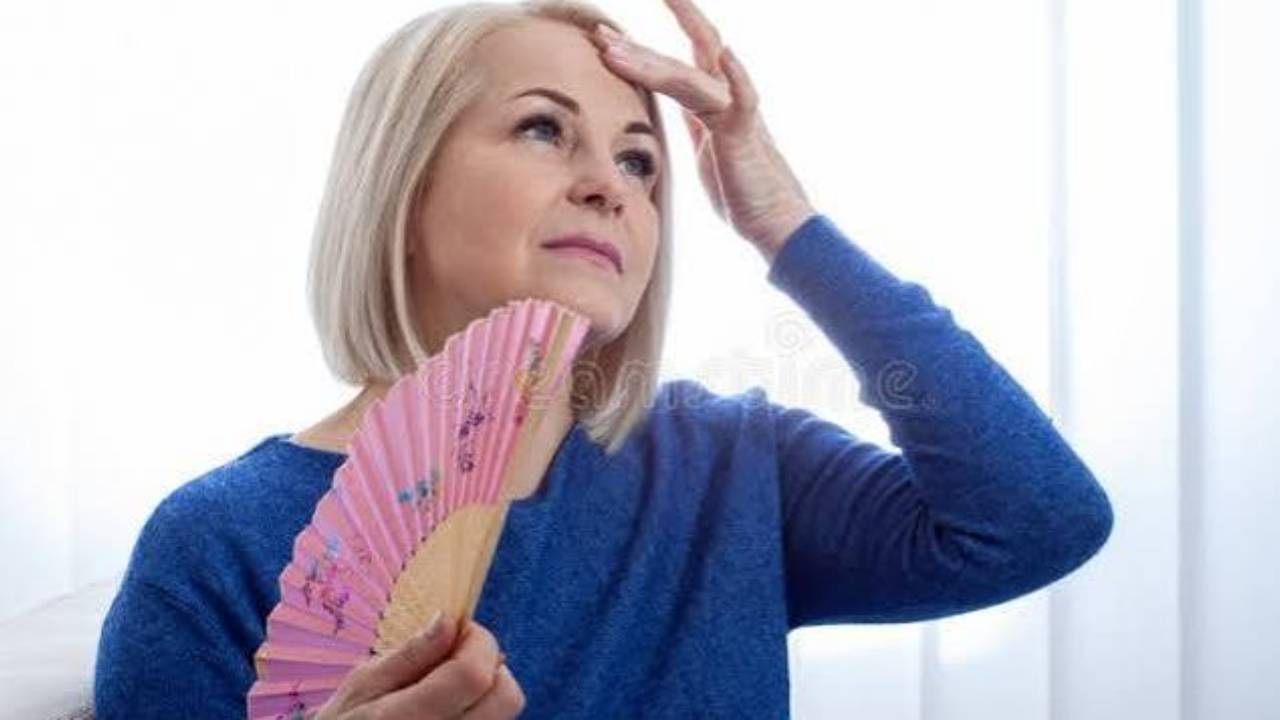
It happened in the middle of a work meeting. My heart started racing. My chest went tight. Heat rushed up through my body so fast I thought something was seriously wrong. My first thought wasn't "hot flush." It was "panic attack."
I sat there trying to breathe normally, waiting for it to pass, with absolutely no idea what had just happened to me.
It turns out I'm far from alone. Hot flushes affect somewhere between roughly half and four in five women during the menopause transition, depending on which study you read — the figure most often quoted sits around 75–80%. And yet so many of us reach that first one with zero preparation for what it actually feels like.
Why the shock?
Part of it is stigma. Menopause still carries a quiet shame in a lot of circles — a sense that talking about it makes you "old," or invisible, or somehow less than you were, as gynaecologist Dr. Tara Allmen has described it. So most of us never hear what a hot flush actually feels like until we're living through one. No wonder the first one can feel like something's gone wrong, rather than something completely normal happening on schedule.
What's actually happening
As oestrogen levels shift, the part of the brain that regulates temperature — the hypothalamus — becomes more sensitive. It can misfire, deciding the body's overheating when it isn't, and setting off the classic response: heat, a racing heart, sweating. It's not a malfunction. It's closer to a sneeze — an involuntary reflex your body runs on its own, not something you did wrong.
Research on cognitive behavioural therapy for hot flushes backs this reframe up: women who learn to think of a flush as "unpleasant, but it'll pass in a few minutes" — rather than "I can't handle this" — report the symptom as measurably less disruptive. You're not making it go away. You're changing how much power it has over you while it's happening.
One simple thing that helps: write it down
You don't need an app, a plan, or a diagnosis to start. A notebook is enough.
When something happens — a flush, a wave of exhaustion, an unexplained wobble — jot down what was happening right before it, what helped, and how long it actually lasted (usually much shorter than it feels). Patterns show up fast once you're tracking them, and several documented triggers — caffeine, alcohol, spicy food, stress, warm rooms — are much easier to spot in your own life once you're looking for them.
But journaling does more than track triggers. It's also where the real question lives — the one I ask every client I work with: what am I expecting of myself right now, in this season? Writing that down, even messily, even just a line a day, is often the first step toward understanding what's actually going on, instead of just managing the symptoms.
If any of this sounds familiar
You're not broken, and you're not alone. This is a season of change, not a diagnosis — and it deserves a beginning, not a decline.
If you'd like a starting point for your own journal, or want to talk it through, reach out — DM me "EXPECTATIONS" or get in touch through the site.
Debbie Kienle,
Certified Martha Beck Wayfinder Life Coach
Grow Through Change
